

Transform Your Mindset with Meditation Techniques for Peace

Changing your mindset is not just about thinking differently. It’s about feeling differently. It’s about rewiring your inner world to welcome calm, clarity, and confidence. Meditation offers a powerful path to this transformation. When you embrace meditation techniques for peace, you open the door to a gentler, more centered you.
I’ve walked this path myself. I know how overwhelming life’s noise can be. But I also know the profound shift that happens when you commit to guided meditation. It’s like planting seeds of calm in your mind and watching them grow into a lush garden of peace.
Why Meditation Techniques for Peace Matter
Stress and anxiety cloud your mind. They distort your view of yourself and the world. Meditation techniques for peace help clear that fog. They give you tools to pause, breathe, and reset.
Imagine waking up each day with a calm mind. Imagine facing challenges with a steady heart. This is what meditation can do. It trains your brain to focus on the present moment. It reduces the grip of negative thoughts. It nurtures a mindset that is resilient and hopeful.
Here’s what happens when you practice regularly:
Your stress hormones decrease.
Your ability to concentrate improves.
You feel more connected to your inner self.
Your emotional reactions soften.
You develop a deeper sense of gratitude.
These benefits are not just theory. They are backed by science and lived experience. You don’t need to be a meditation expert to start. Simple, consistent practice is enough to see change.
How to Start with Meditation Techniques for Peace
Starting meditation can feel intimidating. You might wonder if you’re doing it right or if your mind will ever quiet down. The truth is, meditation is a practice, not a perfect performance. Here’s how to begin:
Find a quiet spot - Choose a place where you won’t be disturbed. It can be a corner of your room or a peaceful outdoor space.
Set a timer - Start with 5 to 10 minutes. You can increase the time as you get comfortable.
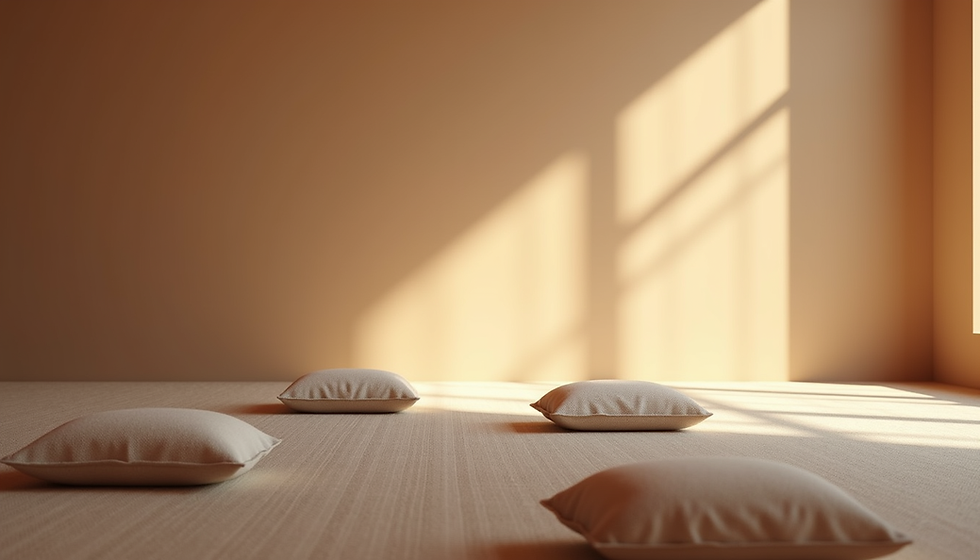
Sit comfortably - You don’t need to sit cross-legged if it’s uncomfortable. A chair or cushion works fine.
Focus on your breath - Notice the sensation of air entering and leaving your body. When your mind wanders, gently bring it back.
Use guided meditation - Listening to a voice can help keep you focused and provide gentle encouragement.
If you want to deepen your practice, try a guided meditation for inner peace. It’s a wonderful way to connect with your calm center and release tension.
Remember, meditation is a gift you give yourself. Be patient and kind as you learn.
Exploring Different Meditation Techniques for Peace
There is no one-size-fits-all meditation. Different techniques resonate with different people. Here are some popular methods you can explore:
Mindfulness Meditation: Focus on the present moment without judgment. Notice your thoughts and feelings as they come and go.
Loving-Kindness Meditation: Cultivate compassion by silently repeating phrases like “May I be happy, may I be safe.”
Body Scan Meditation: Slowly bring attention to each part of your body, releasing tension as you go.
Breath Awareness: Simply observe your breathing pattern, deepening it naturally.
Visualization: Imagine a peaceful place or a positive outcome to calm your mind.
Try each technique for a week and notice how your mindset shifts. You might find one that feels like home.
Overcoming Common Challenges in Meditation
It’s normal to face obstacles when you start meditating. Your mind may race. You might feel restless or doubt the process. Here’s how to overcome these hurdles:
Restlessness: Try shorter sessions or add gentle movement like stretching before you sit.
Distracting thoughts: Label your thoughts (“thinking,” “planning”) and gently return to your breath.
Impatience: Remind yourself that meditation is a journey, not a quick fix.
Self-judgment: Treat yourself with the same kindness you would offer a friend learning something new.
Consistency is key. Even a few minutes daily can build momentum. Celebrate small victories and keep going.
Embracing Meditation as a Lifestyle
Meditation is more than a practice; it’s a way of living. When you integrate meditation techniques for peace into your daily routine, you create a foundation for lasting transformation.
Here are some tips to make meditation a natural part of your life:
Create a ritual: Meditate at the same time each day to build a habit.
Use reminders: Set gentle alarms or notes to prompt your practice.
Combine with other self-care: Pair meditation with journaling, walking, or deep breathing.
Join a community: Connect with others who share your interest in mindfulness.
Be flexible: Adapt your practice to your needs and schedule.
Over time, you’ll notice your mindset shifting. Challenges will feel less daunting. Your inner peace will become a steady companion.
Your mind is a garden. Meditation is the water and sunlight that help it flourish. Start today. Nurture your peace. Transform your mindset with meditation techniques for peace.
You deserve this journey of calm and clarity. Take the first step now.


Comments