.png)

Achieve Calm with Guided Meditation Techniques

Finding calm in a chaotic world feels like a treasure hunt. I’ve walked that path, searching for peace amid noise and stress. Meditation became my compass. It’s not just sitting quietly; it’s a powerful tool to center yourself, to breathe deeply, and to reconnect with your inner light. Today, I want to share with you some effective meditation methods that can transform your daily life. These techniques are simple, accessible, and designed to help you find calm quickly and deeply.
Discovering Effective Meditation Methods for Inner Peace
Meditation is a journey, not a destination. The right method can make all the difference. Some days, you need a quick reset. Other times, a longer session helps you dive deeper. Here are some effective meditation methods that I’ve found invaluable:
Mindful Breathing: Focus on your breath. Inhale slowly through your nose, hold for a moment, then exhale gently through your mouth. Count your breaths if it helps. This anchors your mind and calms your nervous system.
Body Scan Meditation: Lie down or sit comfortably. Slowly bring your attention to each part of your body, starting from your toes and moving upward. Notice any tension and breathe into those areas to release it.
Visualization: Picture a peaceful place—a beach, a forest, or a quiet garden. Engage all your senses. Feel the breeze, hear the birds, smell the flowers. This method transports you away from stress and into serenity.
Mantra Meditation: Choose a word or phrase that resonates with you, like “peace” or “I am calm.” Repeat it silently or aloud. This repetition helps drown out distracting thoughts and centers your mind.
Try these methods one at a time. Notice which one feels natural and comforting. Your meditation practice should feel like a gentle embrace, not a chore.

How to Create Your Personal Meditation Space
Your environment shapes your meditation experience. A dedicated space invites calm and signals your mind to relax. Here’s how to create a sanctuary for your practice:
Choose a Quiet Spot: Find a corner in your home where you won’t be disturbed. It could be a nook by a window or a small section of your living room.
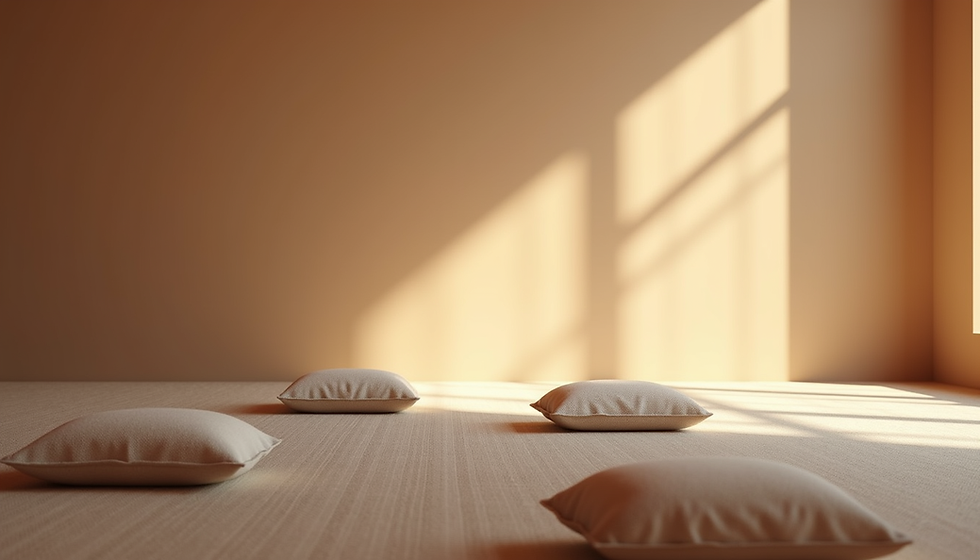
Add Comfort: Use cushions, a soft rug, or a chair that supports your posture. Comfort helps you stay focused longer.
Incorporate Nature: Bring in plants, flowers, or a small water fountain. Nature’s presence soothes the soul.
Control Lighting: Soft, warm light is ideal. Avoid harsh overhead lights. Candles or salt lamps create a calming glow.
Minimize Clutter: Keep your space tidy. A clean environment reflects a clear mind.
Personalize your space with items that inspire you—crystals, meaningful artwork, or incense. This space becomes your refuge, a place where you can return to yourself.
Embracing Guided Meditation Techniques for Deeper Relaxation
Sometimes, it’s hard to quiet the mind alone. That’s where guided meditation techniques come in. These are led sessions where a teacher or recording gently directs your focus. They can be especially helpful if you’re new to meditation or facing intense stress.
Guided meditations often include:
Step-by-step instructions to help you relax your body and mind.
Imagery and storytelling to engage your imagination and deepen your experience.
Breathing cues to regulate your nervous system.
Affirmations to boost your confidence and inner peace.
I recommend exploring guided sessions from trusted sources. They provide structure and support, making meditation accessible and enjoyable. You can find a variety of guided meditations online, tailored to different needs like anxiety relief, sleep improvement, or spiritual growth.

Tips for Making Meditation a Daily Habit
Consistency is key to unlocking meditation’s full benefits. Here’s how to weave it into your daily routine:
Start Small: Begin with 5 minutes a day. Gradually increase as you feel comfortable.
Set a Regular Time: Morning or evening works best for many. Choose a time when you’re least likely to be interrupted.
Use Reminders: Set alarms or notes to prompt your practice.
Be Patient: Some days will be easier than others. That’s okay. Each session counts.
Journal Your Experience: After meditating, jot down how you feel. This helps track progress and deepen self-awareness.
Remember, meditation is a gift you give yourself. It’s not about perfection but presence. Celebrate every moment you dedicate to your well-being.
Unlocking the Power of Meditation for Stress Relief and Self-Discovery
Meditation is more than relaxation. It’s a path to self-discovery and empowerment. When you meditate regularly, you start to notice patterns in your thoughts and emotions. You gain clarity about what truly matters. Stress loses its grip, replaced by a calm confidence.
Here’s what you can expect with a committed practice:
Reduced Anxiety: Meditation lowers cortisol, the stress hormone, helping you feel more balanced.
Improved Focus: Your mind becomes sharper and less scattered.
Emotional Resilience: You respond to challenges with greater calm and wisdom.
Deeper Connection: You feel more connected to yourself and the world around you.
Spiritual Growth: Meditation opens doors to inner peace and higher awareness.
This journey is unique for everyone. Trust your process and honor your pace. The calm you seek is already within you, waiting to be uncovered.
Embrace these effective meditation methods and watch your life transform. Let your breath be your anchor, your space a sanctuary, and your mind a garden of peace. With gentle persistence, you’ll find the calm you deserve. Your journey to inner peace starts now.


Comments